
The Universe Inside : A Parallel Between Cosmic Discoveries and Brain Complexity
The human brain is such a fascinating instrument that we can experience the entire universe within it. What we see in cosmic studies is just a tiny fraction of those discoveries. While we know about billions of galaxies, we have only explored a few, and the Milky Way galaxy is one of them. We are still far from discovering life on Mars, let alone on different planets in other galaxies. Comprehending the entire universe is as complex as understanding the structure of the brain.
The Brain’s Mysterious Wiring
In one head, in one brain, there are billions of neurons, and we have no idea how they are wired or connected with each other. Beyond this, we don’t even know why they are connected the way they are. They simply exist.
The Role of Genetics and Evolution in Shaping the Brain

There are some genetic connections. When we say genetics, it doesn’t mean you only get genes from your parents or grandparents; you carry genes that trace back to the beginnings of human-like species.
Environmental factors are the most recent influences, but the biology of the brain is rooted deeply in the process of evolution.
If you are following along with me, you already have some idea of the brain’s complexity. Let’s dive deeper and try to understand the subtle processing of thoughts in the brain.
How the Brain Processes Information: Beyond Simple Input and Output
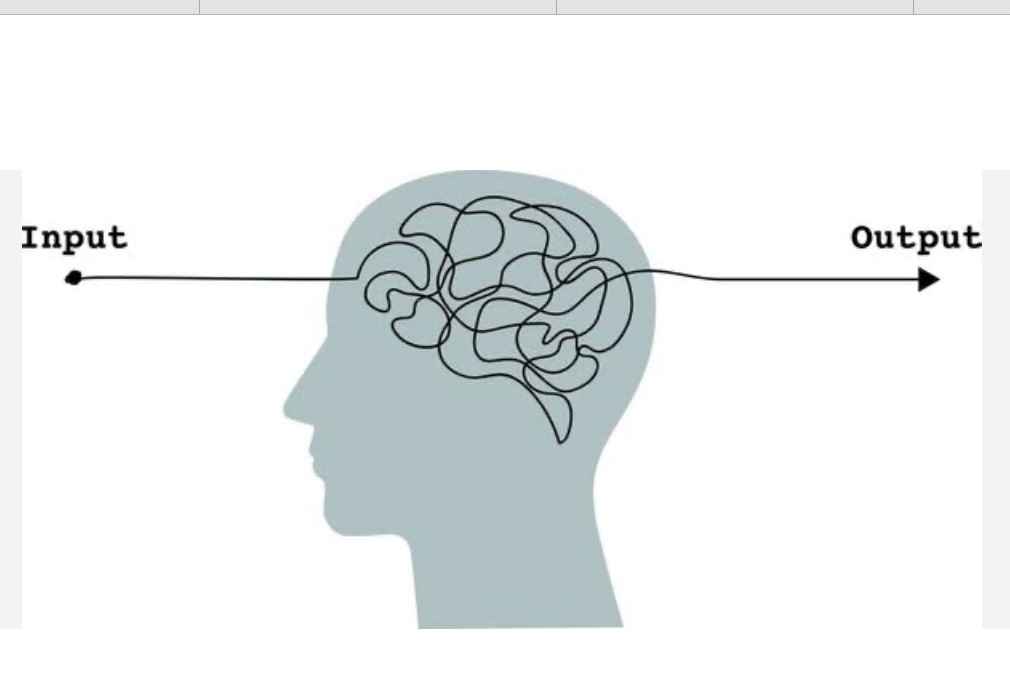
Whatever is heard and read is a kind of input. For example, whatever information we hear is just information, the content itself. You can relate better through everyday experiences, when people around us say something, or when we listen to a podcast, we are listening to someone. It is just the information which is yet far beyond how we interpret it in our brain. It is like the sugarcane which hasn’t yet gone into the machine to turn into juice. Let’s see what happens through the process.
The Influence of Past Experiences on Thought and Perception
Then, this information is processed, meaning our brain filters the meaning out of the context we just listened to. The information is not processed as straightforwardly as it may seem. The information is processed by combining all the past information and behaviours we already have in our brains. In simple terms, the way we think is influenced by our environmental, social, biological, cultural, religious, personal, and subtle experiences. All of these factors interfere with that “filtration of information” process.
The Chemical Reactions Behind Our Emotions and Feelings
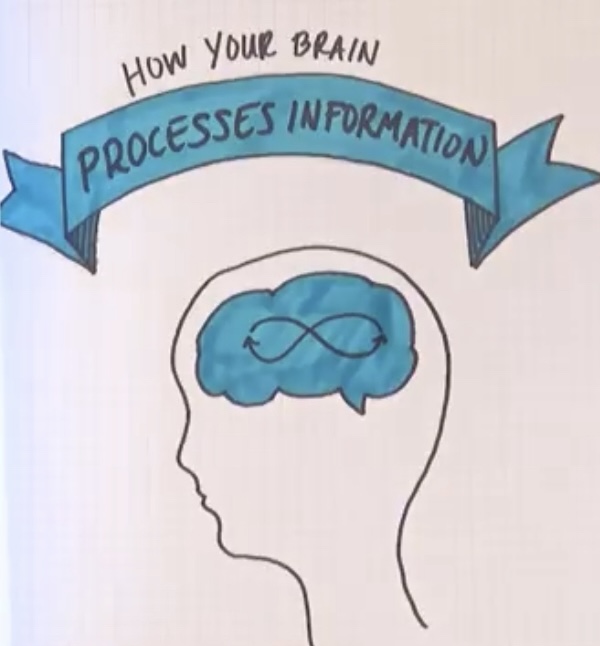
Pay attention to this chain;
Born → Environment (genetics, parents, friends, society, school, culture, religion, personal experiences) → Personality Formed (a certain pattern of thought develops) → Adulthood (We see the world based on how we inherit initial thought patterns, followed by external influences, which explains differing opinions) → New Information comes → Mixes with the background pattern of thoughts → Meaning is formed from that information → It doesn’t matter whether you say the meaning louder or not; it’s just how your brain relates to and comprehends it (brain wiring) → Based on the different sets of information and meanings, a chemical reaction naturally happens in the brain → Emotional Reactions occur → Feelings emerge (good, bad, neutral, peaceful, and so on).
Based on the meaning we derive from this context, our brain releases chemicals, and these chemical reactions determine how we feel.
The feeling we get is not directly from the information itself but from the wiring of our brain, which filters or processes that information. To some extent, our role is quite insignificant in this process because, as I mentioned, this processing happens on its own based on different aforementioned factors.
The Power of Thought Labels: How We Attribute Meaning to Our Emotions
Based on what we feel, we label our thoughts as sad, happy, excited, angry, and so on.
Ultimately, this feeling, which is the result of our brain’s mechanism, often leads us to blame or give credit to the information or people from whom we perceive it originates.
Slowing Down the Mental Train: The Value of Appreciating the Details
What a thoughtful analogy! It’s like you’re comparing life’s journey to a train ride. When everything moves too quickly, we often miss the little details and only hold onto the beginning and end points — the raw information and the resulting feelings.
By slowing down, we give ourselves the chance to notice and appreciate the details. This allows us to see how our brain processes things, and it might even slow down the chemical reactions that influence our emotions. In doing so, we create more space for neutral or peaceful feelings to develop.










Pingback: The Intersection of Science and Spirituality: Navigating Truth and Ego - Reach out to your inner self.